 |
|
 |

| biography | articles | media coverage | spoken | audio/video | books | announcements | mailing list |
Latest Articles
Germany Stands by Israel
April 8, 2024 • Commentary
Israel looks increasingly isolated on the world stage. But one country has stood unwaveringly by Israel's side: Germany. It stands out as a model of support. Not because it gives Israel a free pass on every controversy. But because it has not buckled on its fundamental pro-Israel positions, even when international pressure builds.
First, let's acknowledge that Germany's strong pro-Israel positions are rooted in the country's need to right historic wrongs. As Chancellor Olaf Scholz stated, "German history and our responsibility arising from the Holocaust make it our duty to stand up for the existence and security of the State of Israel."
 Continue to the full article
Preventing a Ramadan Explosion in the Holy Land
February 28, 2024 • The Liberal Patriot
The Muslim holiday of Ramadan begins on March 11 this year. How Israel handles this month-long festival of fasting by day and feasting by night will exert significant influence on the wider conflict in the Middle East—and a possible hostage deal between Israel and Hamas that yields a pause in the current war in Gaza could help mitigate the prospects of unrest. Other players may have significant roles to play, too.
First, it is important to understand the role Ramadan has played in the Israeli-Palestinian conflict over recent years.
The UN agency that's supposed to aid Palestinian refugees has only made things worse
February 8, 2024 • Boston Globe
A growing bipartisan group of legislators is calling to permanently end American taxpayer support for the United Nations Relief and Works Agency amid accusations that it took part in the Oct. 7 Hamas attack on Israel. But there's another reason for Democrats and Republicans to unify behind the plan to replace UNRWA: The agency denies millions of Palestinians their basic human rights.
The Middle East could get even uglier, with Lebanon's Iran-backed Hezbollah ready to wage war on Israel
February 6, 2024 • New York Post
A brutal war is looming between the Lebanese terrorist group Hezbollah and Israel.
The Iran-backed radicals began firing anti-tank missiles and drones at Israel Oct. 8, one day after Hamas carried out its mass slaughter of 1,200 Israelis.Four months later, the attacks — more than 700 and counting — haven't stopped.
Israel has gotten the better of Hezbollah in most of these exchanges, destroying the group's strategic assets and killing nearly 200 well-trained fighters. But it has been at a terrible price. Nearly 100,000 Israeli citizens of communities along the border have been forced to flee their homes.
Biden needs to follow Trump's lead on Iran
January 31, 2024 • CNN.com
The death of three US service members in Jordan Sunday, along with more than 40 injured, is just the latest – and deadliest – example of Iranian-backed militias targeting American forces in the Middle East. The Sunday drone attack came just weeks after two Navy SEALS died while trying to disrupt a weapons smuggling operation by Iran-backed Houthi militia members off the coast of Somalia. American targets, meanwhile, have sustained at least 165 different attacks by Iran-backed militias since mid-October.
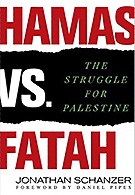
Books by Jonathan Schanzer





Most Viewed
home | biography | articles | media coverage | spoken | audio/video | books | announcements | mailing list | mobile site